NAVI NEURO · WORLD BRAIN DAY · 22 JULY 2026
What does access to brain health mean to you?
Brain health is not distributed equally. For World Brain Day we're gathering voices - yours included. Tell us, in your own words, what access means and why it matters.
WATCH

IN SUPPORT OF WORLD BRAIN DAY 2026 · WORLD FEDERATION OF NEUROLOGY
ABOUT
A day of voices for brain health
Neuroscience has never advanced faster - and yet whether you receive a timely diagnosis, a specialist, or a recovery plan still depends on where you live, what you earn, and whether anyone is looking.
For World Brain Day 2026, Navi Neuro marks the World Federation of Neurology's theme - Brain Health: Access for All - with The Access Sessions: short messages from neurologists, patients, caregivers, and researchers, each answering the same question. This page keeps the conversation open. Add your voice anytime.
A VOICE FROM THE ACCESS SESSIONS
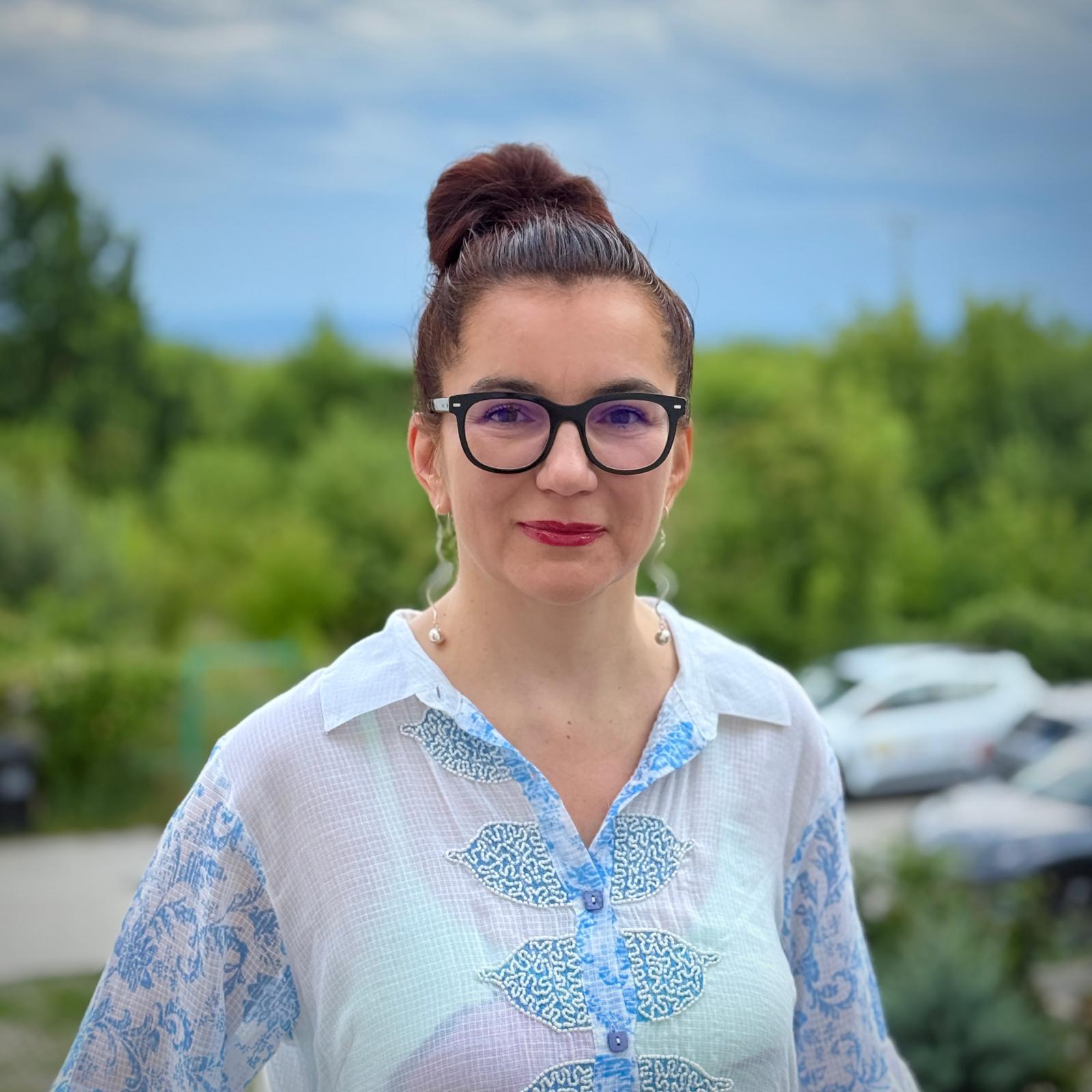
As a doctor and a stroke survivor, I believe that access to brain health is not only about saving a life in the hospital — it is also about the chance of a dignified life after discharge. Prevention, recovery, psychological support, and social and professional reintegration are just as important as the initial treatment. A society that invests in brain health gains not only more independent patients, but also a lighter financial burden on the health system and on society itself.
Treatment saves the life. Recovery gives it back its meaning, autonomy, and dignity.
Not sure where to start? Pick an angle
ADD YOUR VOICE
What does access to brain health mean to you? Why do you think it matters?
A paragraph or a single sentence- anything counts. Your answer helps us build a real picture of access in Romania and beyond.
3.4 bn
people live with a neurological condition - the leading cause of disability worldwide.
< 1
neurologist per million people, in some regions of the world.
Access
delayed is access denied. The barrier is not, for the most part, scientific.