On paper
A5, print at home or receive one from your clinic. No account, no signal, no battery. Free, always.
Download the journalJournal of Observation and Care
A structured home-observation instrument for families caring for a neurological patient.
Between two visits, the doctor sees the patient for a few minutes. The caregiver sees them every day. This journal turns what the family sees into information the doctor can use.
Free, always, for patients and families.
A narrative in the order you'd actually use the journal — not a gallery.
The journal explains itself on a single page. No training, no app, no one needed to show you how it works.
When the day was unlike the others, you open a page and tick what happened in the last 24 hours. Poor sleep, a missed dose, constipation, a brewing infection — things no one connects to evening agitation until they see them written side by side.
Almost every clinical instrument asks what's going wrong. This page asks what's going right — and those observations rarely reach the doctor.
The caregiver's brain carries part of the weight of this illness. Your own state is clinical information, not a footnote.
The patient edition adds the Firsts page: every thing you do again for the first time, however small. Recovery is hard to see up close — that's why we record it.
One instrument, two ways to use it. A structured way to notice what changes day to day — and to bring it to your doctor.
A5, print at home or receive one from your clinic. No account, no signal, no battery. Free, always.
Download the journalThe same journal, with reminders, trends over time, and a summary you can hand to your doctor. Free to use, works on your phone — nothing to install.
Open the app
For the family member or carer who observes and records for someone else.
For the patient recovering, who can record for themselves.
Usually the family starts the journal. When the patient recovers, they take it over — the two editions are designed to hand over to one another.
Aligned with validated instruments for the functional sections, in routine clinical use.
Clinical validation: Dr. Silviu Stanciu, MD, Neurology
Clinical validation and patient perspective: Dr. Mihaela Iftode, MD, Lab medicine
A few fields and we send the download link right away.
Questions, or want to use the journal in a clinic or organisation? Let's talk.
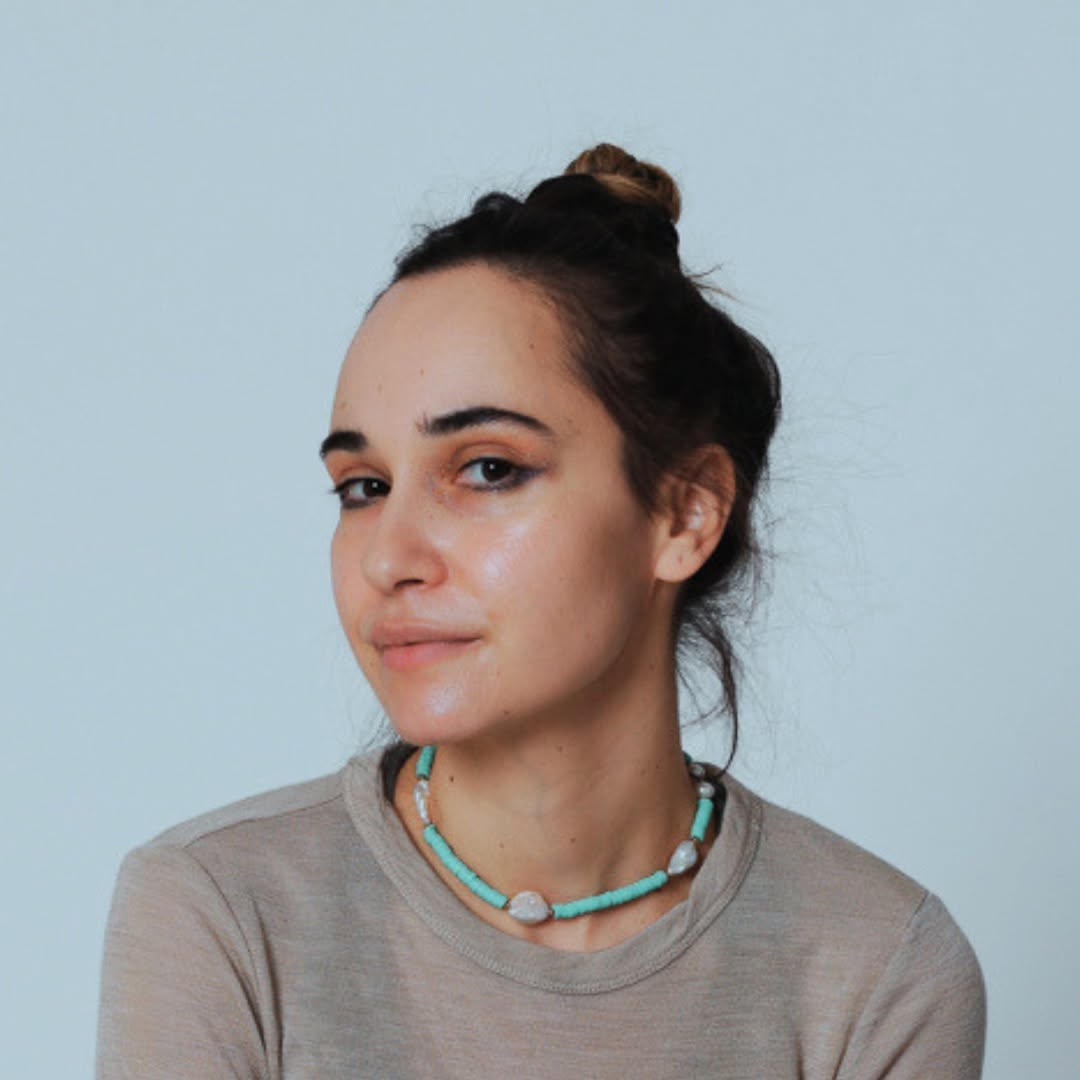
Andra Bria
Health tech developer, patient advocate, science communicator. Graduate of the CAS in Brain Health, University of Bern, Faculty of Medicine.